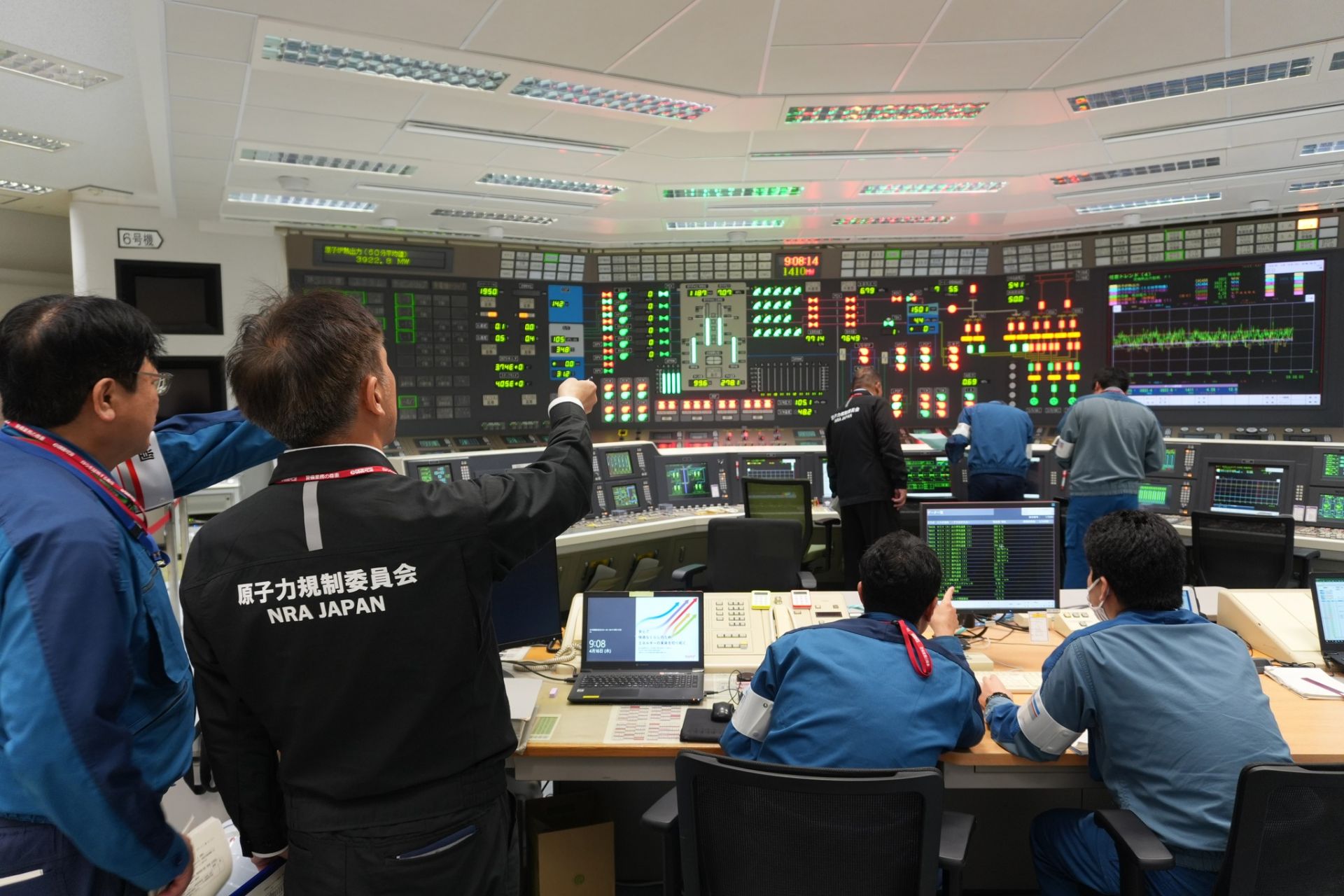
The main control room at Kashiwazaki Kariwa-6. (Photo: TEPCO)
Commercial operations have resumed at Kashiwazaki Kariwa nuclear power plant in Japan’s Niigata Prefecture, Tokyo Electric Power Company has announced.
Last week’s commercial restart of Unit 6, a 1,315-MWe boiling water reactor, is the first for a TEPCO nuclear facility since the March 11, 2011, earthquake and tsunami triggered an accident at the utility’s Fukushima Daiichi nuclear plant.
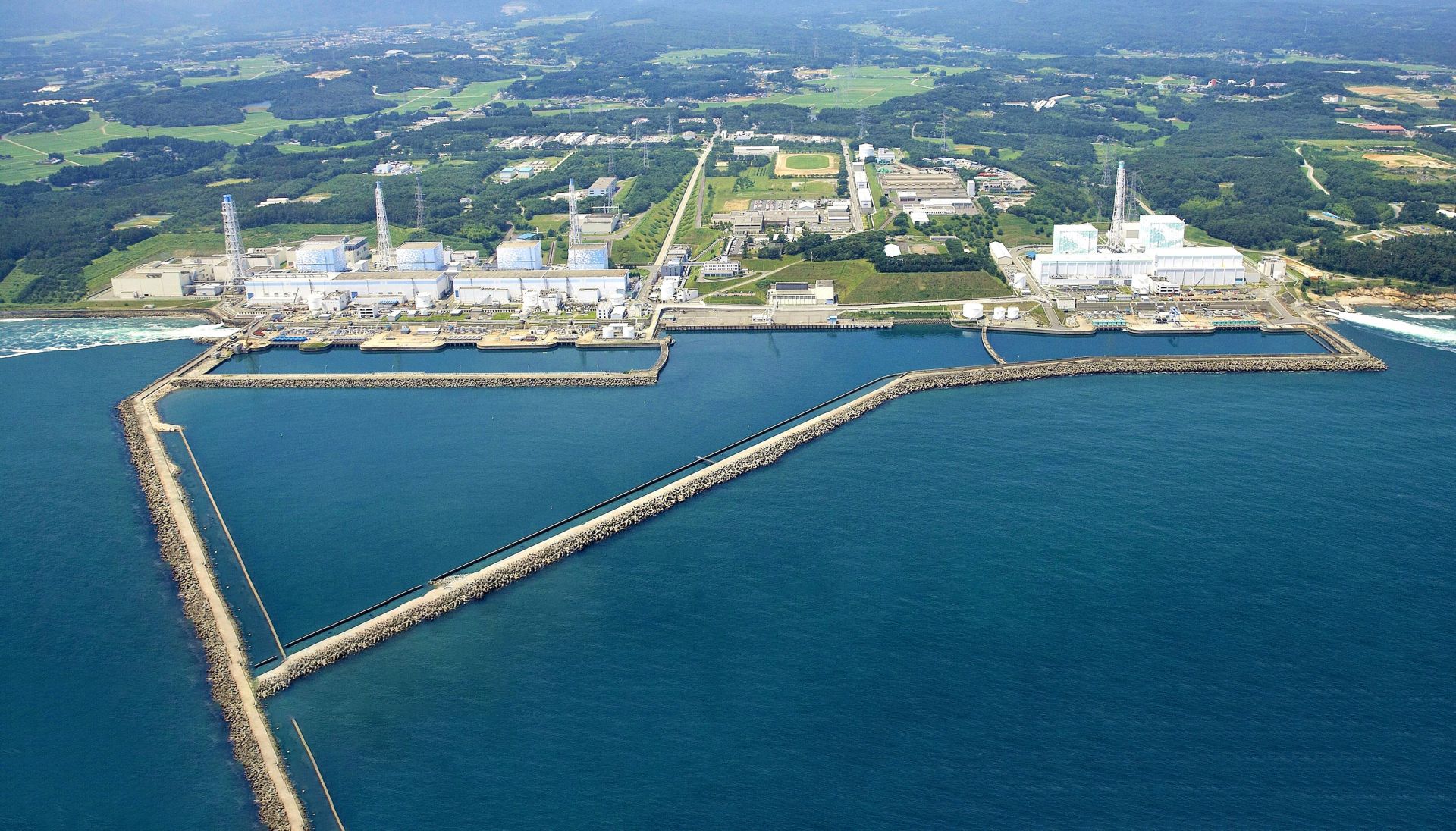
Fukushima Daiichi nuclear power plant before the accident. (Photo: TEPCO)
Where do Japan and its nuclear energy ambitions stand 15 years after the devastating magnitude 9.0 earthquake of March 11, 2011, a destructive tsunami, and an accident at Fukushima Daiichi nuclear plant ground them to a halt?
A look at developments within the last year involving Japan’s political leadership, international relations, its fleet of nuclear plants, and the ongoing cleanup and decommissioning at Fukushima shows an island country pushing nuclear to the forefront of its energy plans.
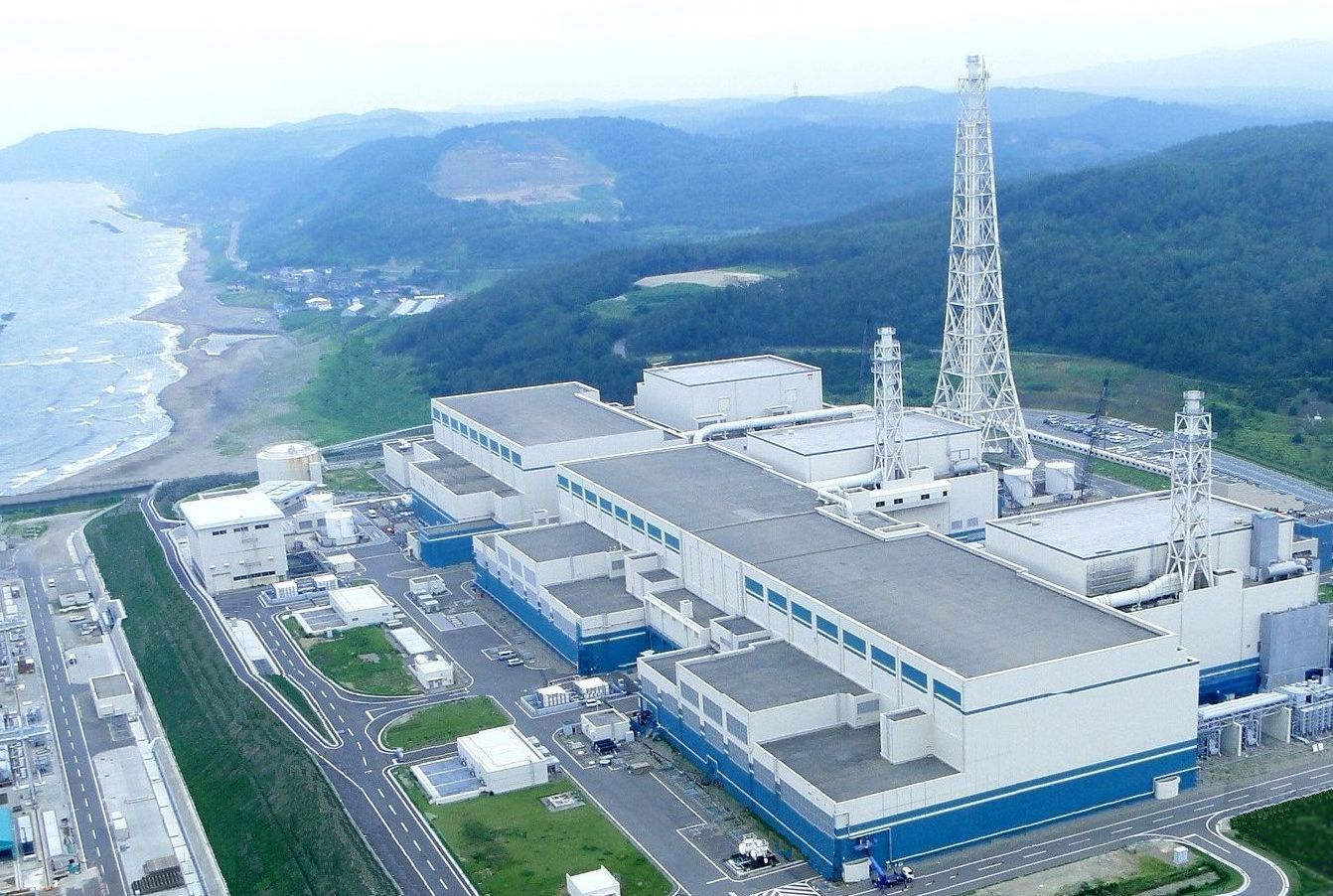
Kashiwazaki-Kariwa nuclear power plant with Units 5–7 in view. (Photo: Tokyo Electric Power Company Holdings)
Update: Operation of Unit 6 at Kashiwazaki Kariwa nuclear power plant in Japan’s Niigata Prefecture was suspended Thursday morning after its initial restart on the evening of Wednesday, January 21. According to TEPCO spokesperson Takashi Kobayashi, an alarm sounded “during reactor start-up procedures.” The cause is currently under investigation, but there is no danger inside or outside the plant. Plant chief Takeyuki Inagaki said at a news conference, “The equipment is essential to safe operation, and we will examine it inside-out.”

.jpg)